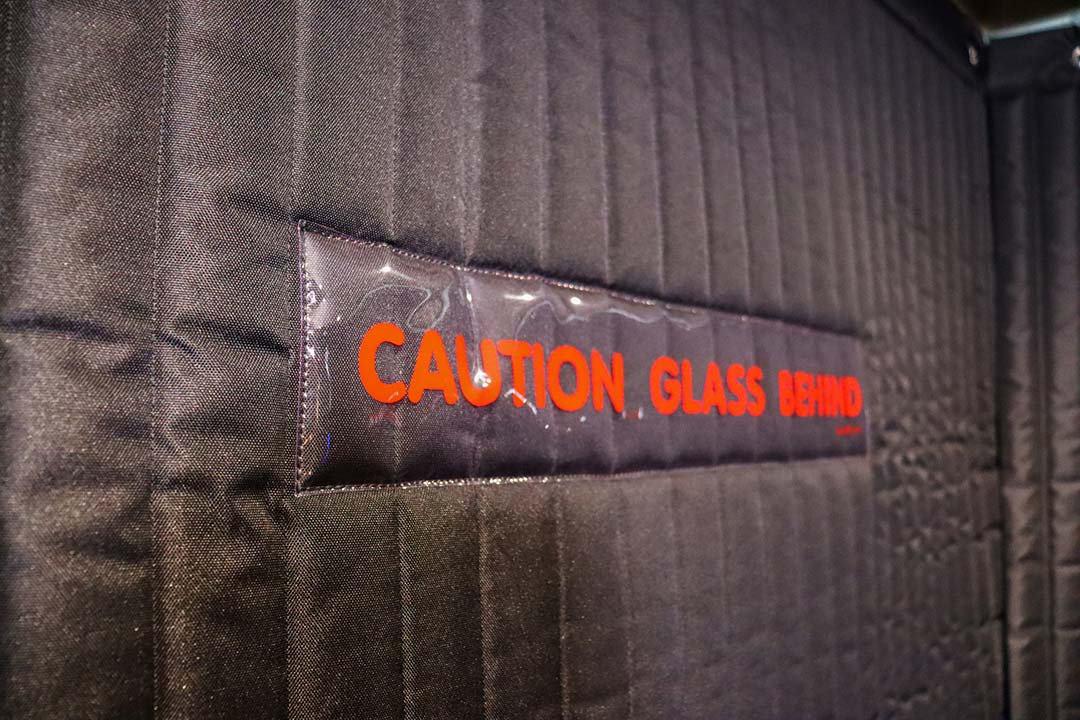
If you have ever stepped into an elevator during a building renovation or a move, you have likely encountered blankets hanging on the walls in some elevators. Those blankets are actually high-density elevator drapes, widely considered the best protection for expensive lift cabins.
But with so many key types of lift protection on the market, how do you choose the right one? In this guide, we will walk you through what to consider when selecting elevator protection and prove why Kapok 88 elevator drapes outperform alternative options.
Critical Considerations When Selecting Elevator Protection
Before you buy, evaluate these five factors.
Material Density & Thickness
Thin cotton or PVC will tear easily. Look for woven polyester oxford style fabric (like Kapok 88 uses) with a minimum density of 600 denier. The blanket should feel robust, well made & not flimsy.
Kapok 88 Attachment Mechanisms
-
- Kapok No.1 Studs – Robust, permanent fixings
- Extendable Rail – Non permanent & easy to deploy
- Suction Hooks – Best for glass or mirrored finished elevators
- Magnets – A non permanent solution that are stitched into each Kapok 88 drape and designed to attach on to the elevator ceiling
- Wire Hooks – Each hook is attached to the Kapok 88 drapes, they are non permanent solution and designed to attach onto the top edge of cabin ceilings or air vents.
Fire Safety Rating
Most public buildings require BS 5867-2 Type B/C or EN13501. Never use untreated moving blankets in a lift as they are a fire hazard.
Reusability & Maintenance
Kapok 88 drapes offer a sustainable solution with a multi year life expectancy, unlike timber or corrugated plastic sheets.
Speed of Installation
Downtime costs money. The best lift protection takes minutes to fit without tools.
Why Elevator Drapes Are the Best Type of Lift Protection
Kapok 88 elevator drapes are superior because they are custom made using high quality materials and market leading design, they solve the unseen problems that mass made off the shelf products miss.
Preventing Scratches
A sofa leg accidentally dragged across a lift wall can cause unsightly scratches. Corner guards won’t stop it. Timber linings or corrugated plastic sheets might, but they are single use and not a sustainable option. An elevator drape acts like an impact-resistant buffer whilst offering muliti-use advantages.
No Adhesive Needed
Taping plastic corrugated sheets to lift walls ruins the lift cabin’s appearance. Kapok 88 elevator drapes require zero adhesive. They hang using suction hooks, extendable rails, magnets, wire hooks or permanently fitted Kapok No.1 studs.
Weight Limits
Lifts have maximum payloads. A plywood hard-panel system can add significant weight. A set of Kapok 88 drapes is much lighter than hard panels, leaving more cargo capacity.
FAQs
Why Are There Blankets Hanging on Walls in Some Elevators?
Those blankets are purpose-built protective covers designed to shield the stainless steel, glass or wooden panels inside an elevator from:
- Scratches from furniture and tools
- Dents from moving carts.
- Dust and debris from construction
- Adhesive residue from temporary tapes
Professional elevator drapes (like those from Kapok 88) are flame proof, water repellent and designed with easy to use fixing methods for instant installation. They hang on lift walls to create a protective barrier, absorbing impact before it reaches the lift’s interior.
Do Elevator Drapes Cover the Full Wall Height?
Yes, Kapok 88 elevator drapes are designed to cover the main walls of a lift cabin whilst leaving 20-30mm floor and air vent clearance. Our elevator drapes can also be used to protect the cabin ceilings and include temporary protective floor covering options, providing complete protection for the lift.
Are Elevator Drapes Certified Fire-Retardant for Public Buildings?
Our elevator drapes are tested to BS 5867 standards and EN13501 (grey colour fabric only), ensuring the materials used are flame proof and safe.
Will Drapes Absorb a Direct Hit from a Metal Trolley?
Yes, Kapok 88 elevator drapes are designed to absorb and reduce any direct impact from moving furniture, metal trolleys and increased usage/high traffic.